Email Marketing Still Wins: A Starter Playbook
 Anjanee Shukla
6 min read
Anjanee Shukla
6 min read
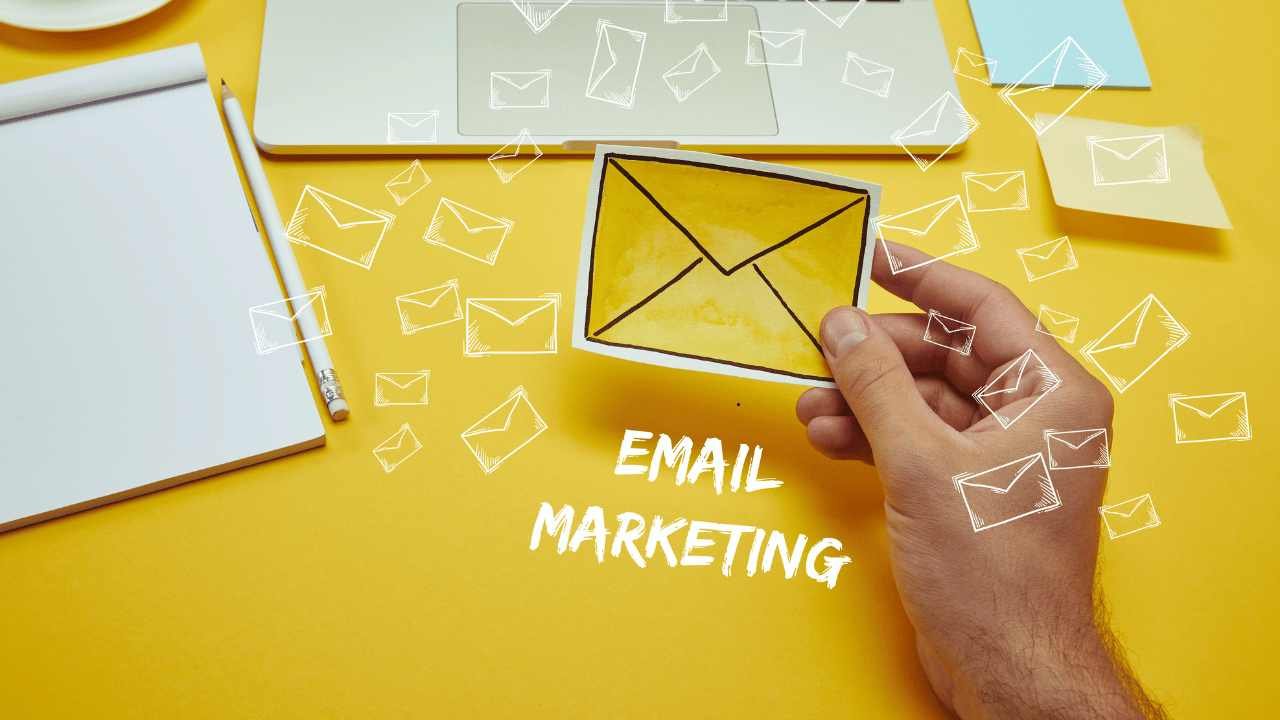
Every year someone declares email marketing dead, and every year it quietly outperforms almost everything else. While businesses chase the latest social platform and fight an algorithm for scraps of attention, the humble email inbox keeps doing what it has always done: putting your message directly in front of people who actually asked to hear from you. No algorithm in the middle. No pay-to-reach-your-own-audience. Just you and a customer.
If you run a small business and you are not taking email seriously, you are leaving money on the table. Here is why it still works so well, and a practical, no-nonsense playbook to get you started.
The numbers that make email hard to ignore
Email is not just nostalgic. It is one of the highest-return marketing channels there is. On average, businesses earn around $36 to $40 for every dollar they spend on email, and in some industries it climbs higher than that. Very few marketing activities can claim that kind of return.
It is also where small businesses already live: roughly 64 percent of them use email as their main way of communicating with customers. The reason is simple. A social media follower is rented. The platform decides how many of your followers ever see your post, and that number keeps shrinking. An email subscriber is owned. When someone joins your list, you can reach them whenever you like, for free, without asking permission from anyone. That difference is everything.
Why email beats chasing followers
Think about what happens when a social platform changes its rules or loses popularity. Overnight, the audience you spent years building can become almost worthless. It has happened more than once. Your email list does not work that way. It is a direct line you control, and it moves with you no matter what the platforms do.
Email is also where buying decisions actually happen. Social media is great for discovery, for someone stumbling across you. But the inbox is where you nurture that interest into a sale, send the reminder that closes the deal, and bring past customers back. The two work best together, with your website capturing the lead and email doing the follow-up that turns it into revenue.
The starter playbook
You do not need a big budget or a marketing degree to make email work. You need a simple system and the discipline to actually use it. Here is the order to do it in.
1. Pick one simple tool
Do not overthink this. Platforms like Mailchimp, MailerLite, Brevo or Constant Contact all let you collect subscribers, send campaigns, and automate the basics, and most have a free tier to start. Pick one that feels straightforward to you and commit to it. The tool matters far less than what you do with it.
2. Build your list the honest way
Never buy a list. Ever. It tanks your deliverability, annoys people, and can land you in legal trouble. Instead, grow your list with permission. Add a clear signup form to your website, offer a genuine reason to join, and collect addresses at the point of sale or enquiry. A simple incentive works well: a useful guide, a first-order discount, or early access to something. You want people who actually want to hear from you, not a big number of strangers.
3. Welcome people the moment they join
The first email someone gets from you sets the tone, and welcome emails get opened far more than regular ones because the interest is fresh. Send a friendly welcome that thanks them, tells them what to expect, and points them to your best content or a first offer. This single automated email earns its keep more than almost anything else you will send.
4. Decide what to actually send
The fastest way to lose a subscriber is to only ever sell to them. A good rule of thumb is to make most of your emails genuinely useful, helpful tips, answers to common questions, stories, news they care about, and reserve the rest for promotion. When people get value from you regularly, they stay subscribed and they buy when you do ask, because you have earned it.
5. Segment so the right people get the right message
You do not have to send the same email to everyone. Even basic segmentation, splitting your list by what someone bought, where they are, or how engaged they are, lets you send more relevant messages. Relevant emails get opened and clicked far more than generic blasts. Start simple: a group for new subscribers, a group for past customers, and grow from there.
6. Write emails people open and click
Three things do most of the heavy lifting. The subject line decides whether the email gets opened, so make it clear and specific rather than clever. The opening line should pull people in, since many email apps show a preview. And every email should have one clear thing you want the reader to do, with one obvious button. Trying to say five things usually means none of them land.
7. Automate the work that repeats
Once the basics work, let the tool do the repetitive jobs for you. A welcome sequence for new subscribers, a gentle nudge for shoppers who left items in a cart, and a re-engagement email for people who have gone quiet will run quietly in the background and bring in sales while you focus on the business. Set them up once, and they work every day.
8. Watch the numbers that matter
You do not need to drown in data. Keep an eye on a few things: how many people open your emails, how many click, how many go on to buy, and how many unsubscribe. As a rough benchmark, open rates across industries tend to land somewhere around 30 to 40 percent and click rates around 1 to 2 percent, though it varies a lot by audience. Watch the trend over time more than any single number, and keep doing more of what works.
Common mistakes that quietly kill results
- Buying or scraping lists. It feels like a shortcut and it is actually a fast way to get your emails marked as spam and your sender reputation ruined.
- Only sending sales pitches. If every email is "buy now," people tune out and unsubscribe. Lead with value.
- Sending randomly. A burst of emails followed by six months of silence teaches people to forget you. Pick a realistic, consistent rhythm and keep it.
- Ignoring mobile. Most emails are opened on a phone. If yours is hard to read or tap on a small screen, you lose the click.
- No clear call to action. If the reader is not sure what to do next, they do nothing.
How we help small businesses with email
Email marketing is one of the highest-return things a small business can do, but only if it is done consistently and well, which is exactly the part most owners do not have time for. That is where we come in. As part of our digital marketing services, we help you set up the right tool, build your list, design emails that match your brand, write the automated sequences that run in the background, and track what is actually bringing in revenue. We can also make sure your website is capturing those subscribers in the first place, so the whole thing works as one system rather than a collection of disconnected parts.
Frequently asked questions
Is email marketing still effective in 2026?
Very. Email consistently delivers one of the highest returns in marketing, around $36 to $40 for every dollar spent, and a majority of small businesses use it as their main customer channel. Unlike social media, you own your email list outright, so no algorithm can cut off your reach.
How often should I send marketing emails?
Consistency matters more than frequency. For most small businesses, somewhere between weekly and monthly works well. The key is to pick a rhythm you can sustain and to make most of your emails genuinely useful rather than constant sales pitches.
What is a good email open rate?
It varies by industry and audience, but open rates commonly land somewhere around 30 to 40 percent, with click rates closer to 1 to 2 percent. Rather than chasing a single number, watch your own trend over time and improve from there.
Should I buy an email list to get started faster?
No. Bought lists damage your sender reputation, get flagged as spam, and can breach anti-spam laws. Always grow your list with permission, through signup forms, incentives, and people who genuinely want to hear from you.
Which email tool is best for a small business?
Any of the well-known platforms, such as Mailchimp, MailerLite, Brevo or Constant Contact, will do the job, and most offer a free tier to start. Choose one that feels easy to use. What you send matters far more than which tool you pick.
The bottom line
Email marketing is not flashy, and that is part of why it works. While everyone else fights for fleeting attention on platforms they do not control, a well-run email list keeps delivering steady, measurable returns from an audience that is genuinely yours. You do not need to be everywhere. You need a list, a simple plan, and the consistency to follow it.
If you would like help getting your email marketing set up and running properly, tell us about your business or email [email protected], and we will put together a clear plan to turn your list into one of your best sales channels.